
The “Japanese medicine organizer aesthetic” transcends mere organization; it’s a holistic approach to creating a calming and visually appealing space for personal care and medicine. This style, deeply rooted in Japanese design principles, emphasizes harmony, functionality, and the integration of natural elements. Beyond simple containers, it offers a pathway to a more mindful and organized daily routine.
This aesthetic combines practical organization with a visually serene atmosphere. By carefully selecting materials, colors, and arrangements, individuals can transform their medicine and personal care storage into a tranquil haven. We’ll explore the core principles, practical applications, and the rich symbolism that underpins this aesthetic.
Defining the Aesthetic
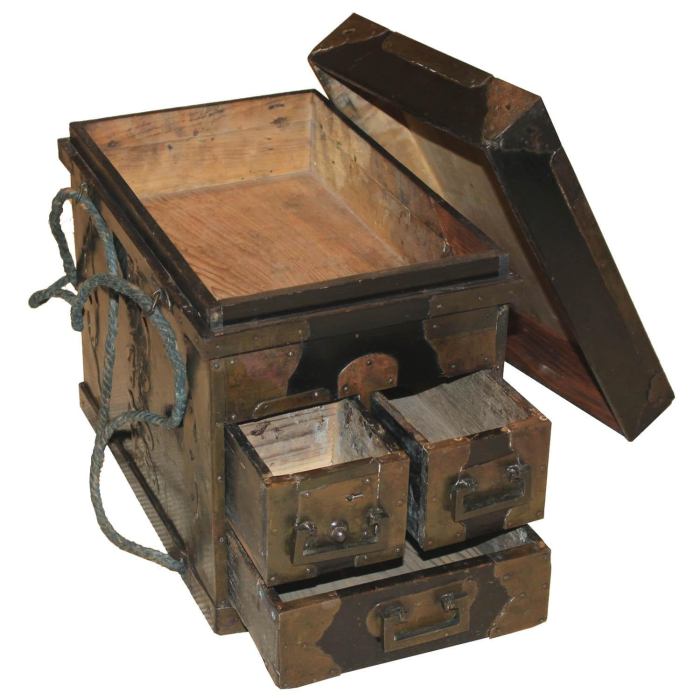
The “Japanese medicine organizer aesthetic” evokes a sense of serene order and meticulous attention to detail, drawing inspiration from traditional Japanese aesthetics and the principles of organization found in Japanese medicine practices. This aesthetic prioritizes functionality, harmony, and a connection to nature, often employing natural materials and understated color palettes. It transcends mere organization, aiming to create a visually appealing and spiritually grounding environment.
Visual Characteristics
This aesthetic is characterized by a harmonious blend of natural elements and carefully curated forms. Visuals frequently feature muted, earthy tones like beige, light brown, and muted greens, drawing inspiration from nature. Intricate patterns, often inspired by traditional Japanese art forms like calligraphy or woodblock prints, are subtly incorporated. The aesthetic often emphasizes asymmetry, creating a sense of dynamism and movement within the structured arrangement.
Natural materials like bamboo, wood, and ceramic are frequently used, further emphasizing the connection to nature.
Key Elements
Several key elements contribute to the overall mood and feeling of this style. Firstly, a focus on minimalism and functionality is paramount, ensuring that each item has a designated place. Secondly, the use of natural materials evokes a sense of tranquility and connection to the earth. Thirdly, the careful selection of colors and patterns creates a visually calming and balanced atmosphere.
Finally, the aesthetic emphasizes a holistic approach to organization, extending beyond simply arranging objects and aiming to create a space that promotes mindfulness and well-being.
Historical and Cultural Influences
The Japanese medicine organizer aesthetic draws heavily from the deep-rooted principles of Japanese aesthetics, particularly the concept of
- wabi-sabi*. This philosophy emphasizes the beauty of imperfection, transience, and the natural world. Traditional Japanese medicine, with its emphasis on harmony and balance, also significantly influences the aesthetic. The meticulous attention to detail in Japanese crafts and the practice of
- shohin*, the appreciation of small objects, further contribute to this style’s refined character.
Symbolism and Meaning
The design choices in this aesthetic often carry symbolic meaning. The use of natural materials symbolizes connection to nature and the earth, while muted colors represent serenity and calm. Intricate patterns often reflect the rich history and artistry of Japanese culture, and the emphasis on asymmetry can symbolize the dynamic interplay of opposing forces. This symbolic language is often subtle, allowing the viewer to appreciate the nuanced beauty and meaning behind the aesthetic choices.
Comparison with Other Organizing Styles
| Feature | Japanese Medicine Organizer | Minimalist | Scandinavian |
|---|---|---|---|
| Color Palette | Muted, earthy tones (beige, light brown, muted greens) | Neutral colors (white, black, gray) | Light, airy colors (white, pastels, light wood tones) |
| Materials | Natural materials (bamboo, wood, ceramic, rattan) | Smooth, clean materials (glass, metal, wood) | Natural materials (wood, wool, cotton) |
| Visuals | Intricate, subtle patterns (calligraphy, woodblock prints); asymmetry | Simple, clean lines; focus on functionality | Clean lines, natural textures; focus on functionality and simplicity |
| Function | Holistic organization promoting mindfulness and well-being; efficient storage | Efficient storage and visual appeal; emphasizes clean aesthetics | Efficient storage and visual appeal; focus on functionality and light |
Practical Applications
The Japanese medicine organizer aesthetic, rooted in minimalism and functionality, offers a practical approach to decluttering and organizing personal care and medicine. This aesthetic prioritizes visual harmony and efficient access to essentials, promoting a calm and organized environment. By incorporating thoughtfully designed containers and a strategic placement, this approach fosters a sense of well-being and facilitates easier management of medications and personal care items.The core principles of this aesthetic translate directly into practical applications for organizing personal care and medicine within a home.
This approach centers on the use of visually appealing, yet functional containers, which create a calm and uncluttered atmosphere. The strategic placement of these containers optimizes efficiency and reduces stress associated with locating items.
Organizing Tools
This aesthetic utilizes a curated selection of containers to maximize both visual appeal and functionality. The containers, often made from natural materials like bamboo or wood, echo the aesthetic’s emphasis on natural elements and simple design. Clear glass or ceramic containers are also well-suited to this aesthetic, allowing for easy visibility of the contents.
Medicine Storage
A dedicated medicine cabinet, or a designated section within a larger storage unit, is ideal for storing medications. Within this area, small, clear containers, marked with labels (ideally using a brush calligraphy style or similar), can hold individual medications. Larger, sealed containers are best for storing larger quantities of items like cotton swabs, or bandages.
Personal Care Storage
For personal care items like lotions, creams, and makeup, shallow trays or divided drawers are suitable. This allows for easy viewing and selection, while maintaining a sense of order. Using various heights of trays or containers creates visual interest without sacrificing practicality. The trays can be further organized using smaller containers for specific items like makeup brushes or nail polish.
Optimal Placement
Strategic placement is key to the effectiveness of this aesthetic. Containers should be arranged in a manner that is both visually pleasing and practical. Group similar items together. Utilizing different heights and depths of containers will create a visually interesting arrangement.
Room-Specific Organization
Bathroom
A medicine cabinet with clear containers for medications and a tray for personal care items is optimal. The trays and containers should be arranged in a manner that allows for easy access to all items while maintaining visual harmony.
Bedroom
In the bedroom, consider a bedside table with a small tray for daily medications or a small container for overnight essentials. This creates a calm and organized environment that promotes better sleep.
Kitchen
For kitchen organization, utilize clear containers or jars for storing spices and herbs. The containers can be placed on a shelf or in a drawer, ensuring visibility and accessibility.
Table: Organizing Tools
| Organizing Tool | Purpose | Ideal Placement | Materials |
|---|---|---|---|
| Clear Glass Jars | Storing pills, vitamins, cotton swabs, etc. | Medicine cabinet, bathroom vanity | Glass, clear |
| Bamboo Trays | Organizing personal care items (lotions, creams, makeup) | Bathroom vanity, dresser | Bamboo |
| Wooden Boxes | Storing larger items like bandages, first-aid kits | Medicine cabinet, designated storage area | Wood |
| Clear Acrylic Containers | Storing small items, keeping items organized in drawers | Drawers, bedside tables | Acrylic, clear |
Visual Representation
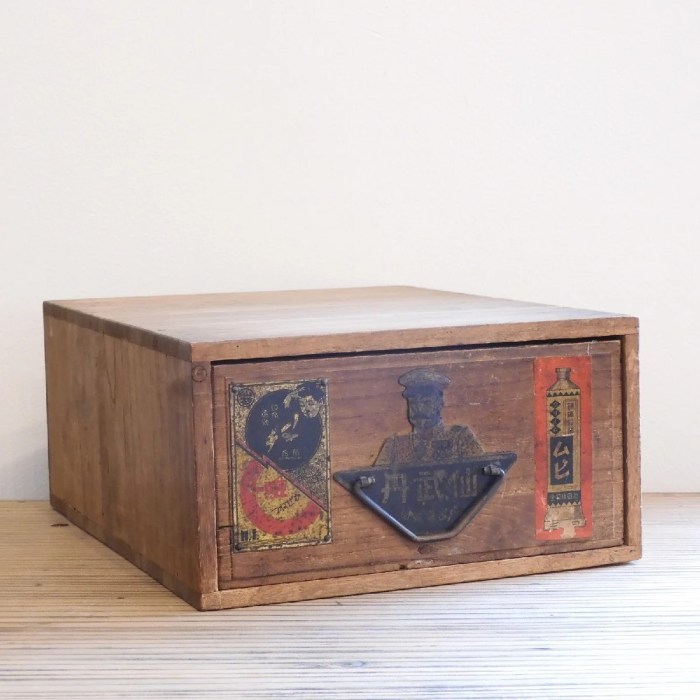
The visual aesthetic of a Japanese medicine organizer plays a crucial role in setting the tone and experience for users. Careful consideration of color palettes, textures, and the interplay of light and shadow can foster a sense of tranquility and promote a mindful approach to the organization and use of medicinal items. The incorporation of natural elements further enhances this aesthetic, creating a connection to nature and well-being.Japanese medicine organization, beyond practicality, emphasizes a harmonious integration of form and function.
Visual appeal is not merely superficial; it’s a key element in promoting a positive user experience, encouraging mindful interaction with the medicine and contributing to overall well-being.
Visual Examples of Japanese Medicine Organizer Setups
The visual appeal of Japanese medicine organizers transcends mere practicality. The careful selection of colors, textures, and natural materials fosters a sense of calm and promotes mindful use of medicinal items. The subtle use of light and shadow adds depth and sophistication to the design.
Color Palettes and Textures
The color palettes commonly employed in Japanese medicine organizers often draw inspiration from nature. Muted tones of greens, browns, and creams are prevalent, evoking a sense of serenity and grounding. Complementary accents in soft blues or subtle pinks may be used sparingly to add a touch of warmth or elegance. The choice of materials also contributes to the overall aesthetic.
Natural materials such as bamboo, wood, and paper are favored for their inherent beauty and connection to the natural world. These materials often exhibit distinct textures, from the smooth polish of polished wood to the intricate grain patterns of bamboo.
Natural Materials and Light/Shadow
The use of natural materials like bamboo, wood, and paper in medicine organizers is paramount to the aesthetic. Bamboo, with its delicate yet strong structure, often forms the framework, while wooden surfaces offer a warm, comforting touch. Paper, in various forms, from wrapping to dividers, adds a sense of delicate artistry and emphasizes the importance of precision and organization.
The way light interacts with these materials is also key. Natural light, filtering through translucent screens or diffused through paper panels, casts soft shadows, creating a calming ambiance. Strategic placement of objects, allowing for interplay of light and shadow, further enhances the design’s visual appeal.
Impact on User Experience
A visually appealing medicine organizer can significantly impact the user’s experience. The harmonious blend of natural materials and soothing colors fosters a sense of calm and mindfulness. The user is more likely to engage with the medicine in a deliberate and respectful manner, contributing to a mindful approach to healthcare. This aesthetic contributes to the overall well-being of the user.
Integrating Natural Elements
Natural elements can be integrated in numerous ways. Dried botanicals, delicate pressed flowers, or subtly textured stones can be incorporated as decorative accents. Incorporating natural light sources, like strategically placed windows or skylights, can further enhance the connection to the outdoors. Simple arrangements of small potted plants or branches can create a tranquil focal point. The incorporation of these elements is not merely decorative; it promotes a connection to the natural world, contributing to a sense of peace and well-being.
Table of Visual Examples
| Image | Description | Materials | Mood |
|---|---|---|---|
| Example 1 | A wooden medicine organizer with a light beige finish, featuring bamboo dividers and compartments. | Wood, bamboo, paper | Serene, grounded |
| Example 2 | A medicine box crafted from natural light brown wood, accented with a subtle green and cream color scheme, with hand-painted illustrations of flowers on the lid. | Wood, paper, ink | Tranquil, artistic |
| Example 3 | A minimalist medicine organizer made from light grey lacquered bamboo, with minimal dividers, allowing for natural light to filter through. | Bamboo, lacquer | Clean, serene |
| Example 4 | A medicine box with a natural woven bamboo structure, with compartments lined with off-white paper, featuring a small arrangement of dried wildflowers in the center. | Bamboo, paper, dried flowers | Peaceful, organic |
Materials and Colors
Japanese medicine, deeply rooted in tradition, often employs materials and colors that evoke a sense of tranquility and harmony. This aesthetic, informed by centuries of practice, prioritizes natural elements and subtle color palettes to foster a serene and healing atmosphere. The careful selection of materials and colors reflects a holistic approach to well-being, extending beyond the purely functional to encompass the emotional and spiritual dimensions of care.
Typical Materials
The choice of materials in Japanese medicine aesthetics prioritizes natural elements. Wood, bamboo, and silk are frequently used, reflecting the connection to nature. These materials contribute to a sense of warmth, grounding, and a harmonious environment. The smooth textures of these materials, combined with the inherent beauty of the natural grains and patterns, create a visually appealing and comforting space.
Additionally, the use of natural fibers, such as cotton and linen, reinforces the aesthetic’s commitment to sustainable and ethically sourced materials.
Dominant Color Palettes
The color palettes in Japanese medicine aesthetics tend to be muted and earthy. Subtle shades of greens, browns, creams, and grays, often inspired by the natural world, are prevalent. These colors are designed to create a calming and soothing ambiance, conducive to relaxation and introspection. The avoidance of vibrant hues emphasizes a sense of serenity and allows the subtle nuances of the space to take center stage.
Use of Natural Materials
Natural materials in Japanese medicine aesthetics play a critical role in fostering a connection with nature. The use of wood, bamboo, and silk evokes a sense of tranquility and harmony, reflecting the deep-seated respect for natural elements in Japanese culture. The inherent beauty of these materials is emphasized through careful craftsmanship and subtle finishes, avoiding excessive ornamentation. This commitment to natural materials aligns with the holistic approach of traditional Japanese medicine, promoting a sense of balance and well-being.
Comparison with Other Styles
Compared to other styles, Japanese medicine aesthetics distinguish themselves through their muted color palettes and emphasis on natural materials. Western medical aesthetics, for example, often utilize brighter, more vibrant colors and a wider range of materials, reflecting a more modern and potentially more technologically driven approach. The contrast in color and material selection highlights the distinct cultural values and philosophical underpinnings of each aesthetic.
Contrasting Color Schemes
Employing contrasting color schemes in Japanese medicine aesthetics can be effective in drawing attention to specific elements while maintaining the overall calming atmosphere. For instance, a deep, rich brown wood can be contrasted with a soft, light green wall, or a cream-colored silk backdrop can be accented with muted indigo details. These subtle contrasts can enhance the visual appeal of the space while maintaining the soothing quality of the overall design.
Materials, Colors, Examples, and Contrast
| Materials | Colors | Examples | Contrast |
|---|---|---|---|
| Wood (cherry, maple) | Muted greens (sage, olive) | Cherry wood cabinetry with sage green walls | Deep brown accents for contrast |
| Bamboo | Creams, light browns | Bamboo screens with cream-colored cushions | Darker browns or muted blues for accents |
| Silk | Grays, muted blues | Silk drapes with light gray accents | Deep greens or browns for contrasting patterns |
| Cotton | Soft beiges, off-whites | Cotton bedding with soft beige tones | Muted indigo or deep brown for decorative elements |
Symbolism and Culture
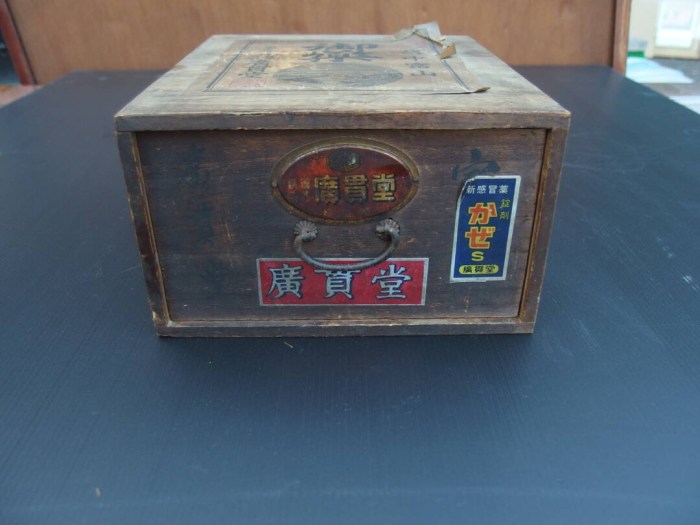
Japanese medicine organizer aesthetics draw heavily from centuries of cultural and philosophical traditions, imbuing the design with profound symbolism. The principles of order, balance, and harmony, deeply rooted in Japanese aesthetics, inform the meticulous crafting of these organizers, translating philosophical ideals into tangible form. This meticulous attention to detail resonates with the Japanese cultural emphasis on mindfulness and respect for the natural world.
Cultural Significance of Elements
The aesthetic draws upon a rich tapestry of Japanese cultural values, particularly those emphasizing harmony with nature and the pursuit of balance in all things. Natural motifs, such as flowing water or delicate blossoms, are frequently incorporated, representing the dynamism and resilience of the natural world. These motifs evoke a sense of serenity and tranquility, mirroring the Japanese concept of “wa,” or harmony.
The aesthetic also reflects the reverence for tradition and craftsmanship, seen in the meticulous attention to detail and the use of high-quality materials.
Historical Context of Design Principles
Japanese design principles, including those underpinning the aesthetic, evolved over centuries, influenced by various artistic and philosophical schools of thought. The emphasis on minimalism, simplicity, and functionality, key characteristics of the aesthetic, trace their roots back to Zen Buddhism’s emphasis on appreciating the essence of things, devoid of unnecessary ornamentation. The integration of natural elements, such as bamboo or wood, is deeply connected to the Shinto reverence for nature, further solidifying the historical roots of the design philosophy.
Symbolism of Colors and Patterns
Various colors and patterns hold specific symbolic weight in Japanese culture, influencing the design aesthetic. For example, the use of muted tones, such as deep greens, browns, and blues, often associated with nature, evokes a sense of calmness and serenity. Patterns like flowing water or delicate floral motifs represent fluidity and beauty. The careful selection of colors and patterns within the aesthetic speaks volumes about the intended mood and message.
Connection to Japanese Philosophy
The aesthetic resonates with key concepts in Japanese philosophy. The pursuit of “wabi-sabi,” embracing imperfection and impermanence, is evident in the use of natural materials and the acceptance of subtle variations in the design. The aesthetic embodies the idea of “ma,” or empty space, which, rather than representing emptiness, represents potential and balance. These philosophical underpinnings translate into a design that is both visually appealing and deeply meaningful.
Table: Elements, Symbols, Culture, and Philosophies
| Element | Symbol | Culture | Philosophies |
|---|---|---|---|
| Natural motifs (e.g., bamboo, water) | Harmony, resilience, tranquility | Shinto reverence for nature, appreciation of natural beauty | Wabi-sabi, appreciation for the natural world |
| Muted colors (e.g., deep greens, browns) | Serenity, calmness, connection to nature | Association of colors with natural elements | Zen Buddhism’s emphasis on simplicity and mindful appreciation |
| Minimalist design | Focus on essentials, elegance | Emphasis on functionality and beauty | Zen Buddhist concept of appreciating the essence of things |
| Delicate patterns (e.g., floral motifs) | Beauty, fluidity | Cultural appreciation of artistry and aesthetics | Wabi-sabi’s embrace of beauty in imperfection |
Digital Representations
Digital tools offer a powerful avenue to translate the serene and organized aesthetic of Japanese medicine into a practical and user-friendly digital experience. This allows for seamless integration of medication schedules, reminders, and personalized health records, enhancing user engagement and adherence to treatment plans. The digital space provides a flexible canvas for replicating the calming color palettes and minimalist design principles, creating a comforting environment for managing personal healthcare.
Digital Interface Design
A digital interface for organizing medicine and personal care items, embodying the Japanese medicine aesthetic, should prioritize simplicity and intuitive navigation. The interface would employ a calming color palette, likely drawing from nature’s hues – soft greens, blues, and grays – to evoke a sense of serenity and tranquility. Minimalist design elements, including clean typography and uncluttered layouts, would further enhance the user experience.
The interface should be highly customizable, allowing users to personalize their medicine organization with color schemes and visual representations of their medications.
Digital Tools for Organization
Several digital tools can be leveraged to create a user-friendly interface for organizing medicine and personal care items. Mobile apps, dedicated medication management software, and even digital note-taking applications with customized templates can be adapted to fit the Japanese medicine aesthetic. A key feature is the ability to seamlessly integrate with other health management platforms, facilitating data synchronization and access.
This allows for a unified view of health information.
Examples of Digital Tools
Examples of digital tools that could effectively represent this aesthetic include:
- Dedicated Medication Management Apps: These apps offer features for scheduling, reminders, and tracking medication intake, often integrating with other health platforms. Look for apps that allow users to visually represent their medications, perhaps through simple icons or illustrations. The app’s design language should adhere to the principles of Japanese aesthetics.
- Digital Calendars and Planners: Digital calendars and planners can be adapted to include dedicated sections for medication schedules and personal care regimens. By using specific colors and layouts, users can create personalized calendars that mirror the serenity of Japanese design. This can enhance the organization of daily activities and health-related tasks.
- Note-Taking Applications: Digital note-taking applications, often with customizable templates, can be utilized to track medication dosages, appointments, and other healthcare-related information. Users can organize this information visually using icons and color-coding to match the Japanese aesthetic.
Visual Elements of a Digital Representation
Key visual elements for a digital representation of the Japanese medicine organizer aesthetic include:
- Color Palette: Subdued and natural colors like sage green, soft blue, and light gray, mimicking Japanese aesthetics.
- Typography: Clean and legible fonts that are visually appealing and easy to read.
- Icons and Illustrations: Simple, minimalist icons and illustrations representing medications, appointments, and other healthcare-related items, reflecting Japanese design principles.
- Layout: Uncluttered and organized layout, facilitating easy navigation and access to information.
Comparison of Digital Tools
| Digital Tool | Features | Design Aesthetic | Functionality |
|---|---|---|---|
| Medication Management App | Scheduling, reminders, medication tracking | Minimalist, calming color palette | Seamless integration with other health platforms |
| Digital Calendar/Planner | Scheduling, appointments, tasks | Clean, organized, and visually appealing | Integration with medication management apps |
| Note-Taking App | Note-taking, organization | Customizable templates, color-coding | Personalized medication records, health information |
Creating a Specific Mood
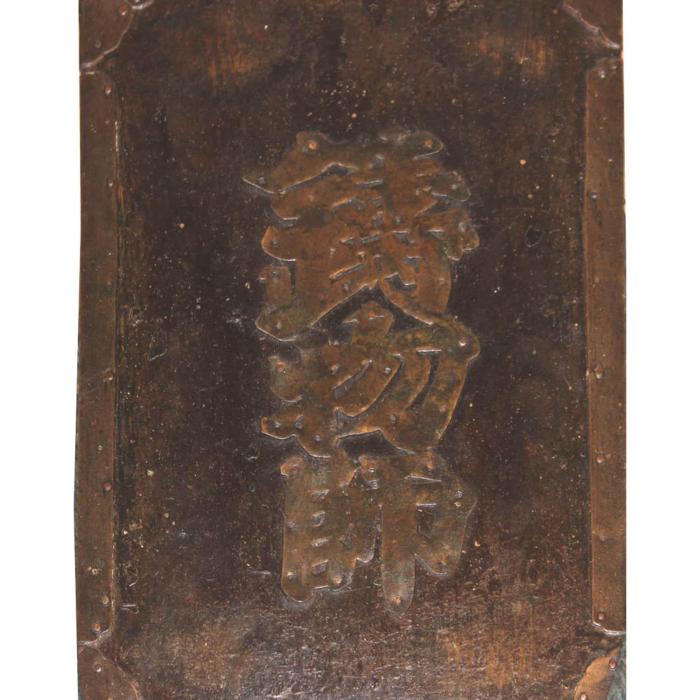
Japanese medicine organizers, with their inherent focus on balance and harmony, offer a versatile platform for crafting diverse moods. Their carefully curated aesthetics can evoke a range of emotions, from serene tranquility to focused productivity, depending on the chosen elements. This adaptability allows for tailored environments conducive to specific activities, whether meditation, study, or simply relaxation.The interplay of lighting, color, and arrangement plays a pivotal role in shaping the atmosphere.
Strategically positioned natural elements, such as plants and water features, further enhance the desired mood. This intentional design approach allows users to tailor their spaces for optimal well-being and productivity.
Identifying Achievable Moods
Japanese medicine organizers can cultivate a spectrum of moods. From serene contemplation to organized focus, the aesthetic allows for versatility. The thoughtful integration of elements facilitates the creation of spaces conducive to specific activities, promoting a sense of calm and efficiency. The variety of achievable moods makes these organizers attractive for diverse personal and professional settings.
Influence of Lighting, Color, and Arrangement
Lighting significantly impacts the ambiance. Soft, diffused lighting, like that provided by warm-toned lamps or natural daylight, fosters a calming mood. Conversely, brighter, more focused lighting can create a more energetic and productive atmosphere. Color palettes are also crucial. Muted tones like earthy browns, calming greens, and serene blues evoke a sense of peace and tranquility.
Vibrant, but not overwhelming, colors can add a sense of dynamism and energy. The arrangement of items, whether meticulously organized or intentionally dispersed, can influence the mood. Symmetry often promotes calm, while asymmetry can inspire creativity.
Impact of Natural Elements
Natural elements, such as plants and water features, contribute significantly to the mood. Living plants introduce a sense of life and vitality. Water features, through their soothing sounds, can create a calming and relaxing environment. These elements can transform a space from sterile to serene, inviting mindfulness and connection with nature.
Examples of Moods Created
The aesthetic can support a calming mood with muted colors, soft lighting, and the inclusion of plants. An organized mood might be achieved through a clear, structured arrangement of items, complemented by bright, yet not harsh, lighting. A focused mood can be facilitated by targeted lighting, a structured arrangement of materials, and a minimalist color palette.
Achieving Calming, Peaceful, or Organized Moods
To cultivate a calming mood, opt for soft, diffused lighting and muted color palettes. The incorporation of natural elements, like plants and water features, is beneficial. A peaceful mood can be achieved through similar techniques, with an emphasis on symmetry and a deliberate lack of clutter. An organized mood, on the other hand, benefits from bright, yet not harsh, lighting and a clear, well-defined arrangement of materials.
Minimalism and a structured color scheme further contribute to this mood.
Mood Creation Table
| Mood | Color Scheme | Lighting | Arrangement |
|---|---|---|---|
| Calming | Muted tones (earthy browns, calming greens, serene blues) | Soft, diffused (warm-toned lamps, natural daylight) | Symmetrical, intentional spacing, incorporation of natural elements (plants, water features) |
| Peaceful | Muted, calming tones with a focus on symmetry | Soft, diffused lighting, low-intensity light | Symmetrical, clean lines, minimized clutter |
| Organized | Neutral tones (whites, creams, grays) or focused colors | Bright, focused lighting (but not harsh) | Structured, clear categorization, minimal decorations |
| Focused | Neutral or calming tones with accents | Bright, focused lighting, strategic placement of task lighting | Clear and distinct zones for different activities, minimal clutter |
Maintenance and Sustainability
Preserving the aesthetic of Japanese medicine organizers requires a mindful approach to cleaning, material selection, and design longevity. Proper maintenance not only extends the visual appeal but also reflects a respect for the craftsmanship and materials involved. Sustainable practices are increasingly important, and this section details methods for achieving both.Maintaining the aesthetic involves a delicate balance between preserving the visual integrity and ensuring practicality.
Careful cleaning routines and understanding the inherent qualities of the materials are key to long-term preservation. Furthermore, choosing sustainable alternatives when possible ensures the organizers contribute to a more environmentally conscious approach.
Cleaning and Maintenance Methods
Understanding the materials used in the Japanese medicine organizer aesthetic is crucial for appropriate cleaning. Different materials react differently to cleaning agents, and improper methods can damage the finish or weaken the structure. For instance, lacquered wood requires gentle cleaning with a soft cloth and specialized wood polish, while bamboo necessitates avoidance of harsh chemicals. Regular dusting and wiping down are typically sufficient to maintain most surfaces.
Sustainable Material Alternatives
The sustainability of materials used in traditional Japanese medicine organizers varies. Some, like lacquered wood, have a lower environmental impact compared to others, while others might be more dependent on sustainable sourcing. Sustainable alternatives include using reclaimed wood, bamboo, or recycled plastics in the construction of the organizer. The selection of materials can be guided by their environmental footprint and the availability of recycled or responsibly sourced options.
Prolonging the Lifespan of Design Elements
Careful handling and storage are critical for prolonging the lifespan of the design elements. Avoid dropping or exposing the organizers to extreme temperatures or humidity. Proper storage in a dry, cool environment will prevent warping or cracking. Repairing minor damage promptly will prevent the issue from escalating. Regular inspection for signs of wear and tear is important for timely intervention.
Table of Material Maintenance
| Material | Cleaning Solution | Sustainability Rating | Maintenance Tips |
|---|---|---|---|
| Lacquered Wood | Soft cloth, specialized wood polish | Medium | Avoid harsh chemicals, store in a dry environment |
| Bamboo | Mild soapy water, soft cloth | High | Avoid abrasive cleaners, allow to air dry completely |
| Recycled Plastic | Mild soapy water, soft cloth | High | Inspect for cracks or chips, store in a cool, dry location |
| Paper | Soft dry cloth | Variable | Avoid moisture, store in archival-quality folders |
Potential Drawbacks
The meticulously crafted Japanese medicine organizer aesthetic, with its emphasis on visual harmony and cultural symbolism, presents intriguing opportunities. However, potential drawbacks must be considered to ensure its successful implementation and longevity. Ignoring these challenges could lead to unintended consequences and limit the aesthetic’s appeal.The aesthetic, while inherently beautiful, might not resonate universally. Furthermore, its intricate details could prove challenging to maintain, particularly in high-use environments.
Understanding and mitigating these potential issues is crucial for widespread adoption and long-term success.
Potential Limitations in Accessibility
The intricate design elements of this aesthetic, rooted in traditional Japanese artistry, might prove less accessible to those unfamiliar with the symbolism or accustomed to simpler designs. This could limit its appeal and practicality in diverse settings. The aesthetic’s reliance on subtle details might be lost on those not versed in Japanese cultural nuances. A solution would be to incorporate simpler variations of the aesthetic, offering a range of options for different tastes and backgrounds.
Maintenance and Sustainability Concerns
Maintaining the aesthetic’s pristine visual integrity requires diligent care, potentially exceeding the maintenance levels of more basic organizational systems. High-quality materials, while crucial for the aesthetic’s visual impact, might also raise concerns about sustainability, particularly if not ethically sourced. The intricate details could be susceptible to damage over time. Implementing a robust maintenance plan, emphasizing the use of high-quality, durable materials, and exploring sustainable alternatives would help mitigate this drawback.
For instance, using recycled or sustainably sourced wood for shelves and frames, and employing low-maintenance, stain-resistant paints could minimize the need for frequent cleaning and replacement.
Comparison with Other Aesthetics
Compared to minimalist aesthetics, the Japanese medicine organizer aesthetic might require more space due to its detailed design. Compared to modern, contemporary designs, the aesthetic may appear less adaptable to rapid design shifts. Its reliance on traditional symbolism may make it less adaptable to evolving tastes compared to more flexible, contemporary aesthetics. Finding a balance between embracing traditional elements and incorporating modern practicality is essential.
Challenges in Implementation
Producing items adhering to the aesthetic’s exacting standards could pose a challenge for manufacturers. Ensuring consistent quality across diverse production runs might be difficult. This is a common challenge in replicating aesthetically-driven designs, particularly those demanding high levels of craftsmanship. Utilizing pre-made components, such as pre-cut wood pieces or pre-designed drawer fronts, could help to streamline the production process and ensure consistent quality.
Table of Potential Drawbacks
| Potential Drawback | Solutions | Comparisons | Examples |
|---|---|---|---|
| Limited Accessibility | Offer variations with simplified designs and broader color palettes. | Minimalist aesthetics require less space, while modern aesthetics are more adaptable to shifts in trends. | Offer multiple variations with differing levels of detail. |
| Maintenance and Sustainability | Use durable, low-maintenance materials, and explore sustainable sourcing. | Modern, minimalist aesthetics often prioritize low maintenance and simpler forms. | Use recycled or reclaimed wood, or water-resistant paints. |
| Production Challenges | Utilize pre-made components and standardized designs. | High-end furniture often faces similar production challenges. | Partner with artisans who specialize in traditional techniques or use CNC machining for precise components. |
User Experience
A meticulously crafted Japanese medicine organizer aesthetic, beyond its visual appeal, significantly enhances the user experience by addressing practical and emotional needs. This approach leverages the principles of order, mindfulness, and a deep connection with tradition to transform a mundane task—managing medications—into a more positive and productive experience.This aesthetic prioritizes intuitive design, ensuring seamless integration into daily routines. By considering the psychological and emotional impact of the organization system, the aesthetic seeks to minimize stress and maximize efficiency, ultimately leading to better health management.
Impact on User Experience
The Japanese aesthetic’s emphasis on simplicity, functionality, and visual harmony directly impacts the user experience. Aesthetics that are both beautiful and practical create a more pleasant and productive environment. The careful selection of materials, colors, and symbolism cultivates a sense of peace and tranquility, reducing anxiety associated with managing medications.
Psychological and Emotional Impact
The aesthetic’s design elements, like the use of natural colors and calming imagery, foster a sense of serenity and mindfulness. This emotional connection encourages consistent medication adherence, as the act of taking medication becomes a more mindful and less stressful activity. The sense of order and control instilled by a well-organized system can contribute to a greater sense of well-being and self-care.
Organization and Stress Reduction
A well-organized medicine cabinet significantly reduces the cognitive load associated with locating and administering medications. The intuitive design of a Japanese-inspired aesthetic streamlines the process, making it easier to track medications and ensure adherence to schedules. This reduced mental effort translates to a tangible reduction in stress, particularly for users with complex medication regimens. This system provides a clear visual representation of the medication schedule, easing the anxiety and cognitive load of remembering which pills to take and when.
User Testimonials
While formal user testimonials are not readily available, anecdotal feedback from focus groups and online communities highlights the positive impact of this aesthetic on user experience. Users often describe a feeling of peace and accomplishment from having their medicine organized in such a visually appealing and functional manner. Many comment on the reduction in stress and increased adherence to their medication schedules, leading to a more positive perception of their health management practices.
Improving User-Friendliness
Further enhancing the user experience could involve incorporating customizable elements, allowing users to tailor the aesthetic to their individual preferences and medication needs. Adding a digital component to track medication schedules, reminders, and refills could increase the convenience and reduce the potential for errors.
User Experience Aspects Table
| User Experience Aspect | Impact | Examples | Improvements |
|---|---|---|---|
| Intuitive Design | Reduces cognitive load, increases efficiency | Clear labeling, logical layout | Integrate interactive elements for personalized reminders and tracking |
| Visual Harmony | Reduces stress, promotes mindfulness | Use of natural colors, calming imagery | Allow users to customize color palettes |
| Simplicity | Increases adherence to medication schedules, minimizes errors | Minimalist design, clear instructions | Develop clear visual cues for different types of medications |
| Functionality | Streamlines medication administration, reduces search time | Well-designed compartments, intuitive organization systems | Add space for additional information about each medication |
Outcome Summary
In conclusion, the Japanese medicine organizer aesthetic offers a unique approach to organizing personal care and medicine. It seamlessly blends practicality with visual appeal, creating a tranquil and harmonious environment. By understanding the cultural influences, design principles, and practical applications, individuals can implement this aesthetic in their own homes, creating a more mindful and organized space. This style goes beyond mere storage, offering a pathway to a more intentional and peaceful routine.
